

A screw pile installation: quick and easy
we believe that the quality of the installation is as important as the quality of the screw piles
Construction projects can be demanding, but working with experienced installers helps reduce uncertainty. As a certified installer for GoliathTech, we at GoliathTech of WNY use specialized equipment and on-site data to accurately plan and carry out installations, supporting successful project completion.
Below are the typical steps we take to bring your project to completion.
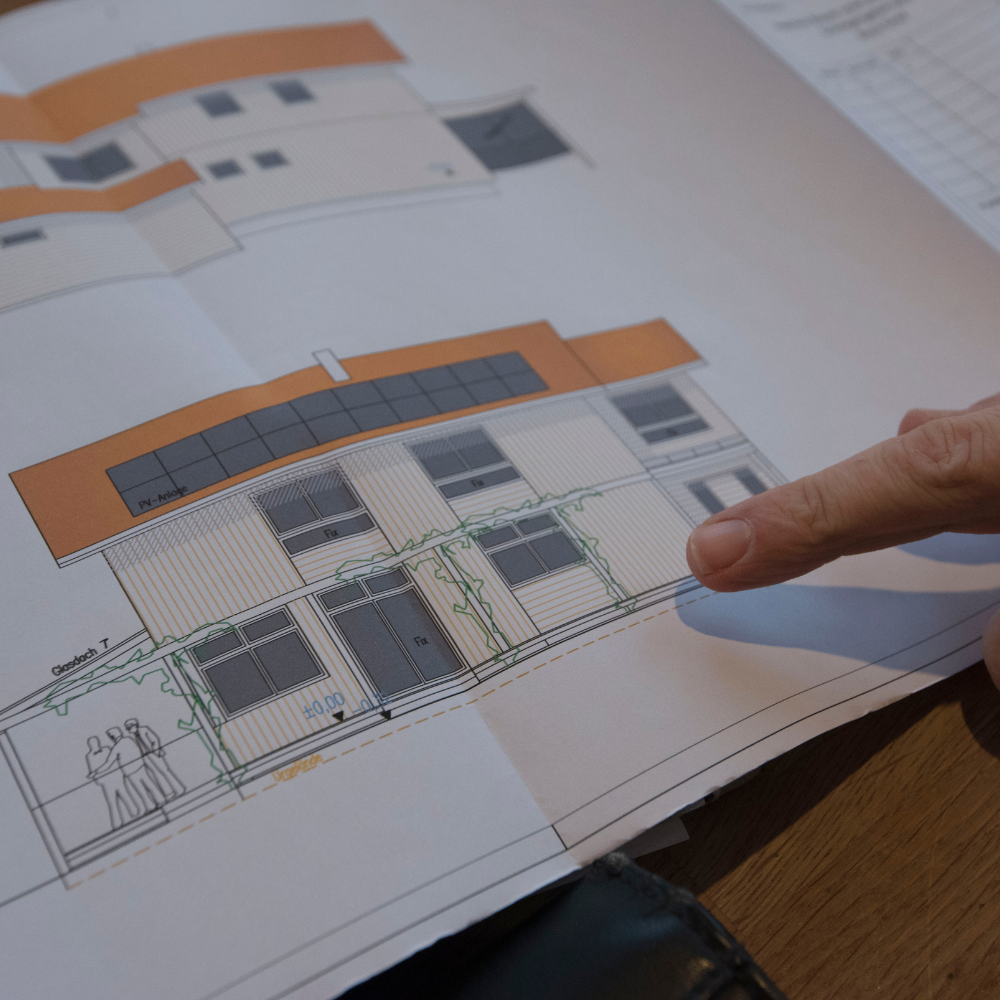
STEP 1
Project planning
We begin by defining your project and its requirements. You review timing, budget, and available space so we can plan accurately.
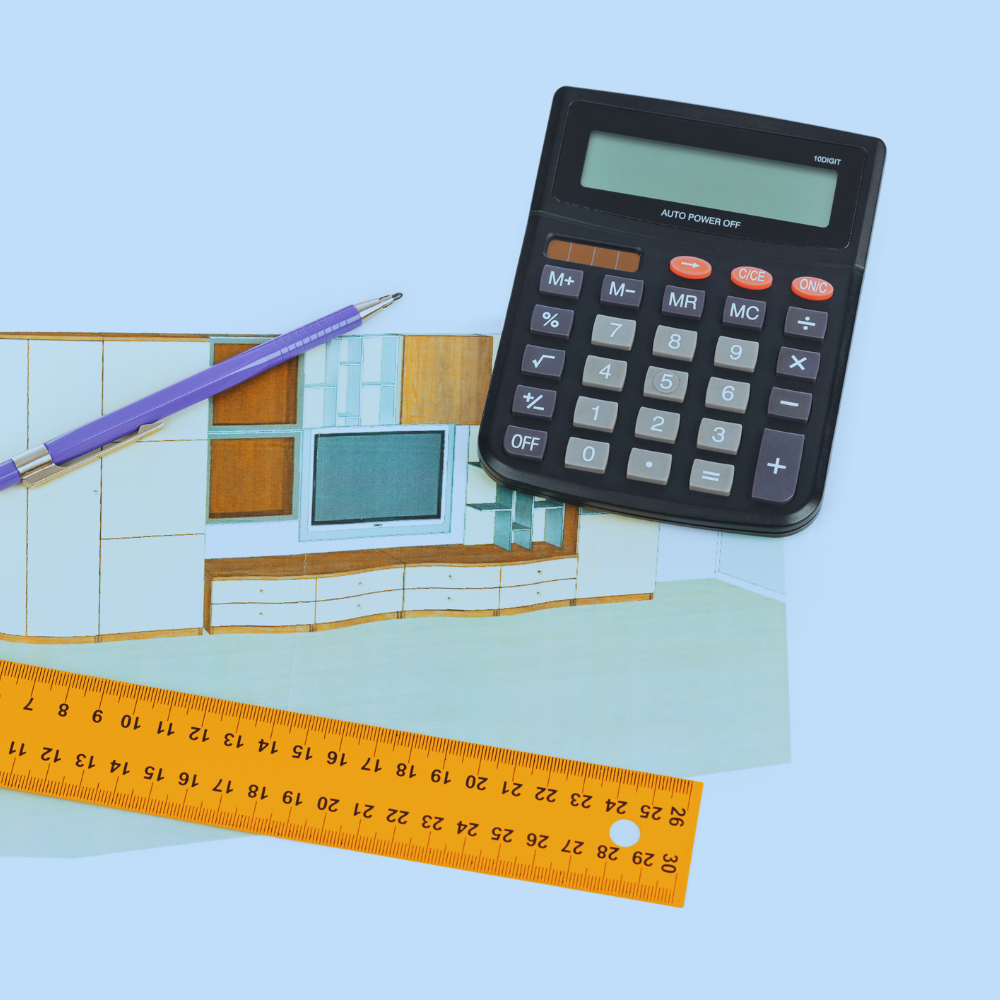
STEP 2
Consultation & estimate
We assess soil conditions and load requirements, then provide precise calculations, a cost estimate, and a solution tailored to your needs.
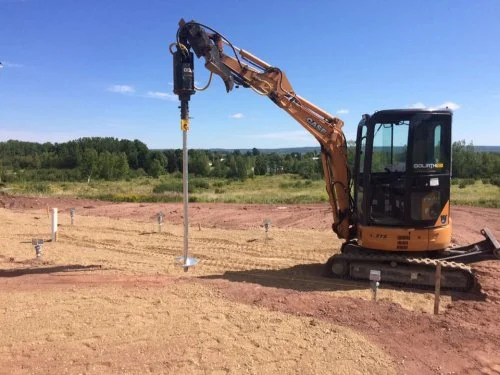
STEP 3
Installation
On installation day, the helical piles are screwed to the required depth. If adjustments are needed, we make them on the spot to ensure maximum stability.
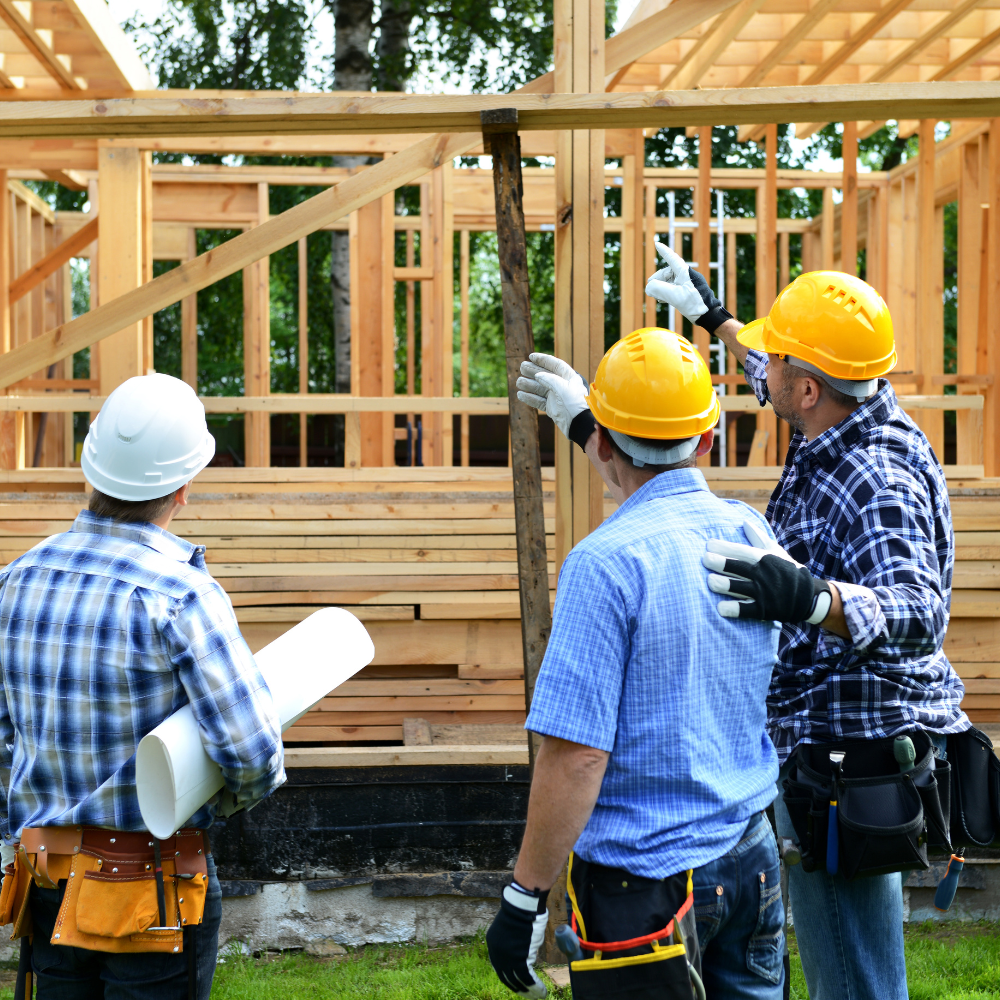
STEP 4
Ready for construction
No waiting and no cleanup. Once the last pile is installed, construction can begin immediately.
Case Study: Covered Patio Foundation Retrofit in Buffalo, NY
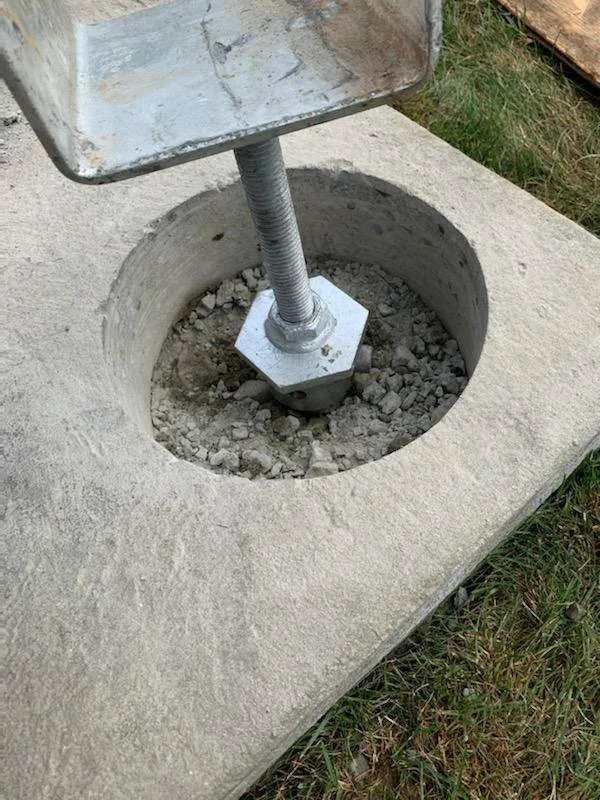
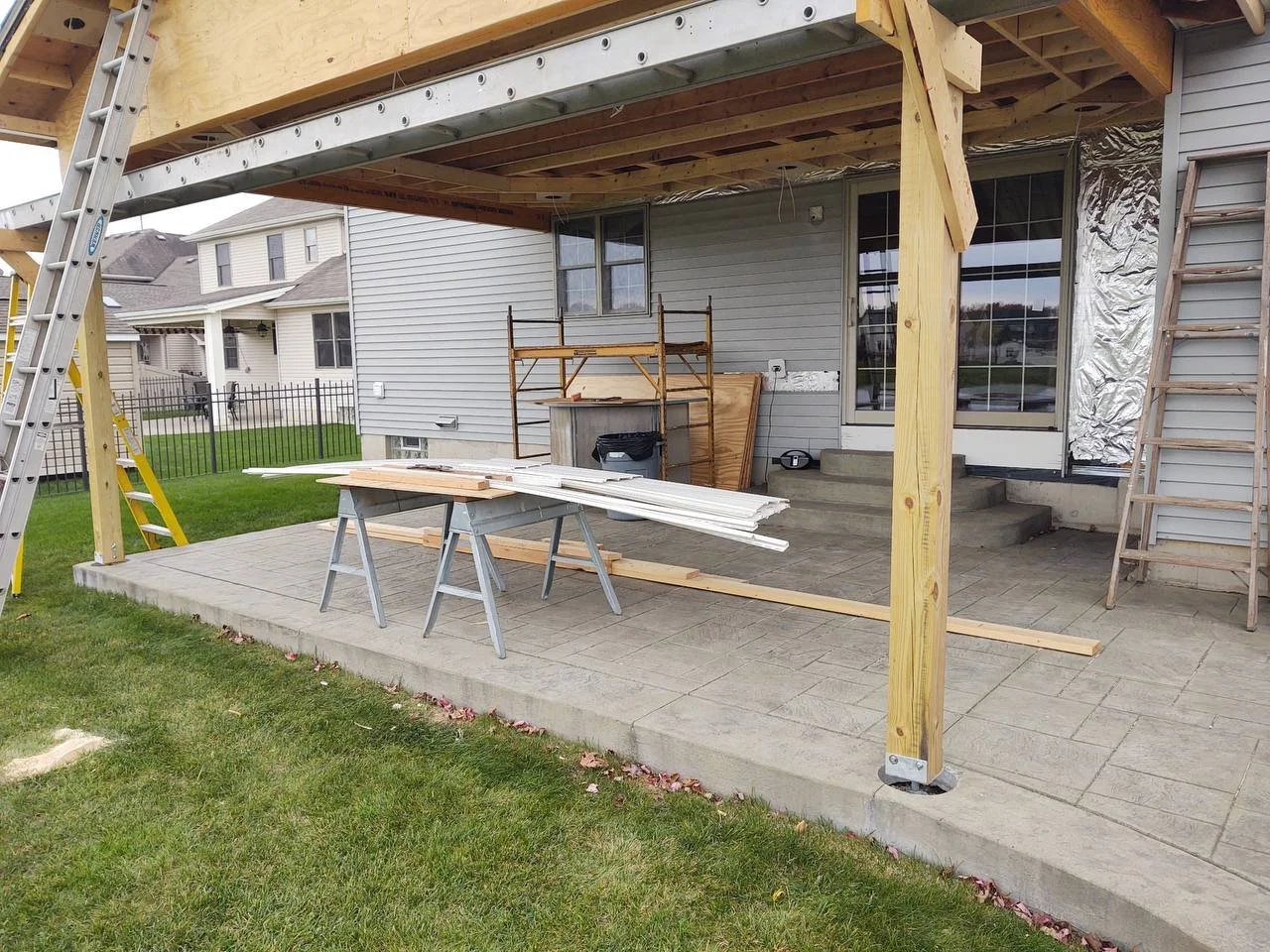
For this residential project in Buffalo area, the homeowner needed reliable structural support for new patio posts installed over an existing concrete slab. Rather than demolishing the slab and pouring traditional footings, GoliathTech of WNY installed engineered helical screw piles to transfer loads below the frost line without major disruption.
After assessing soil conditions and load requirements, our team:
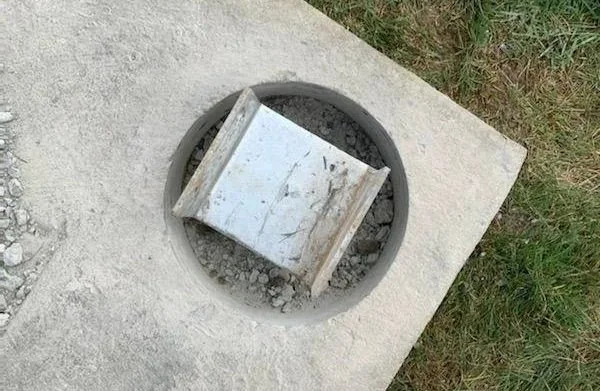
• Core-drilled precise circular openings through the existing concrete slab
• Installed galvanized helical screw piles to engineered depth using torque-controlled equipment
• Verified load-bearing capacity during installation
• Secured adjustable steel brackets to accommodate final beam alignment
• Backfilled the core openings cleanly around the pile shaft
Once installation was complete, the structure was ready for framing the same day.
Traditional concrete footings would have required demolition, excavation, forming, curing time, and potential disruption to the surrounding patio.
Instead, GoliathTech of WNY installed an engineered helical screw pile system designed to transfer structural loads to stable soil without major site disturbance.
Why Screw Piles Were the Right Choice in WNY
Buffalo and Western New York experience significant freeze-thaw cycles. Helical screw piles provide:
• Deep anchoring below frost line
• Reduced risk of seasonal movement
• Superior performance compared to shallow concrete pads
• Long-term structural reliability
What type of equipment is required for the installation of helical / screw piles?
In most cases, only light, compact equipment is required.
We use specialized equipment designed specifically for screw pile installation, allowing for greater accuracy and precision and ensuring optimal anchoring of each helical pile.
Planning the installation
We evaluate soil conditions and load requirements to determine the appropriate pile size, gauge, and helix configuration. This prevents movement of the helical piles and ensures a perfectly level structure. Using precise engineering calculations, we can provide an accurate cost estimate before work begins.
Site preparation and construction
Because helical pile installation requires no excavation, heavy machinery, or concrete curing time, construction can begin immediately after installation. GoliathTech offers a wide range of connectors and end caps to secure your structure. We advise you on the best options and, when needed, coordinate with engineers or other specialists involved in the project.
How does a helical / screw pile installation fit into your project?